
Making Gender a Value Driver in Clean Energy and Agriculture
Type of actor
Impact Investment Fund (Acumen) and Agri-energy social enterprise (Oorja Development Solutions)
Investment type
Venture capital
Operates from
Worldwide (Acumen); India (Oorja)
Sectors
Agriculture
About
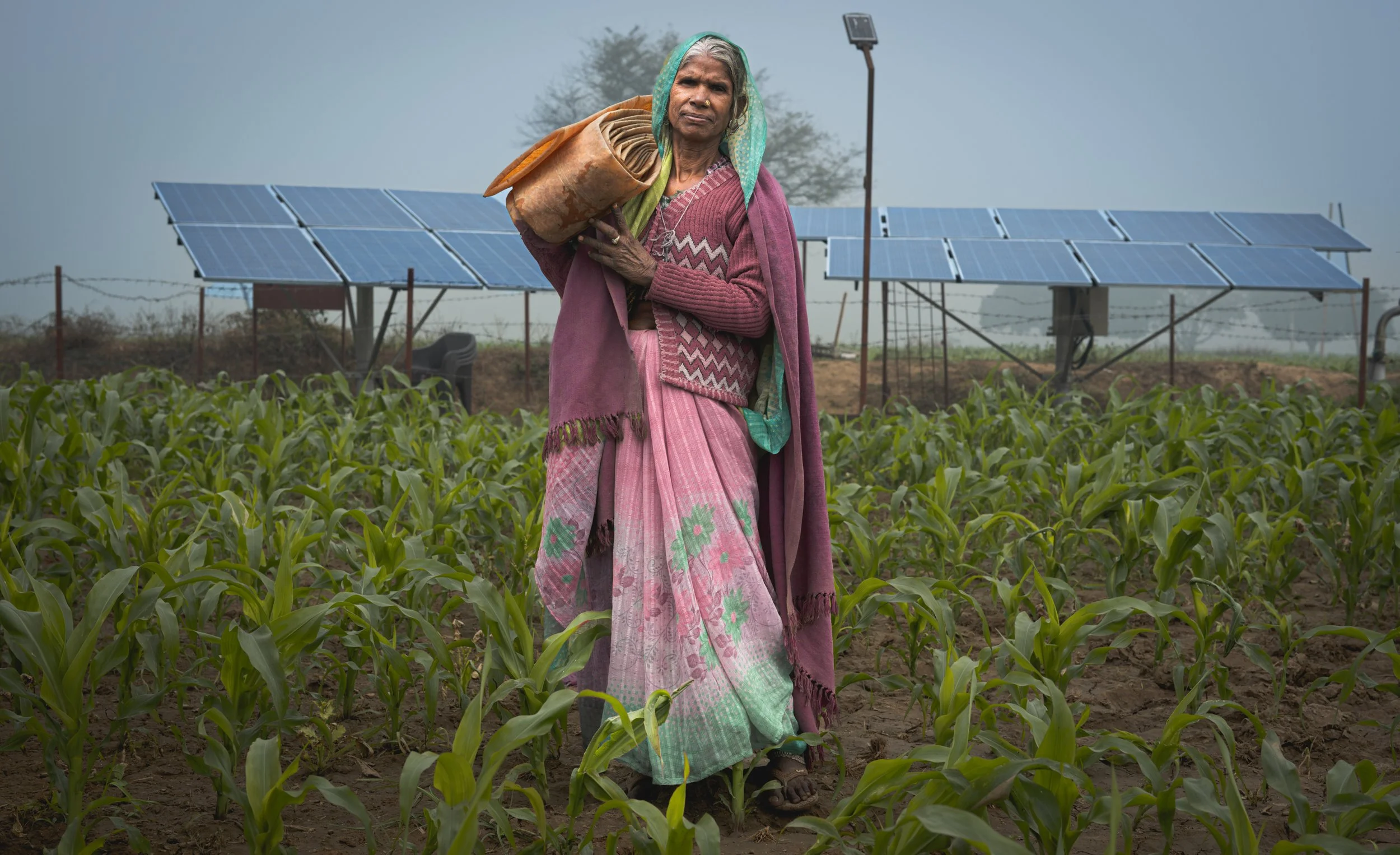
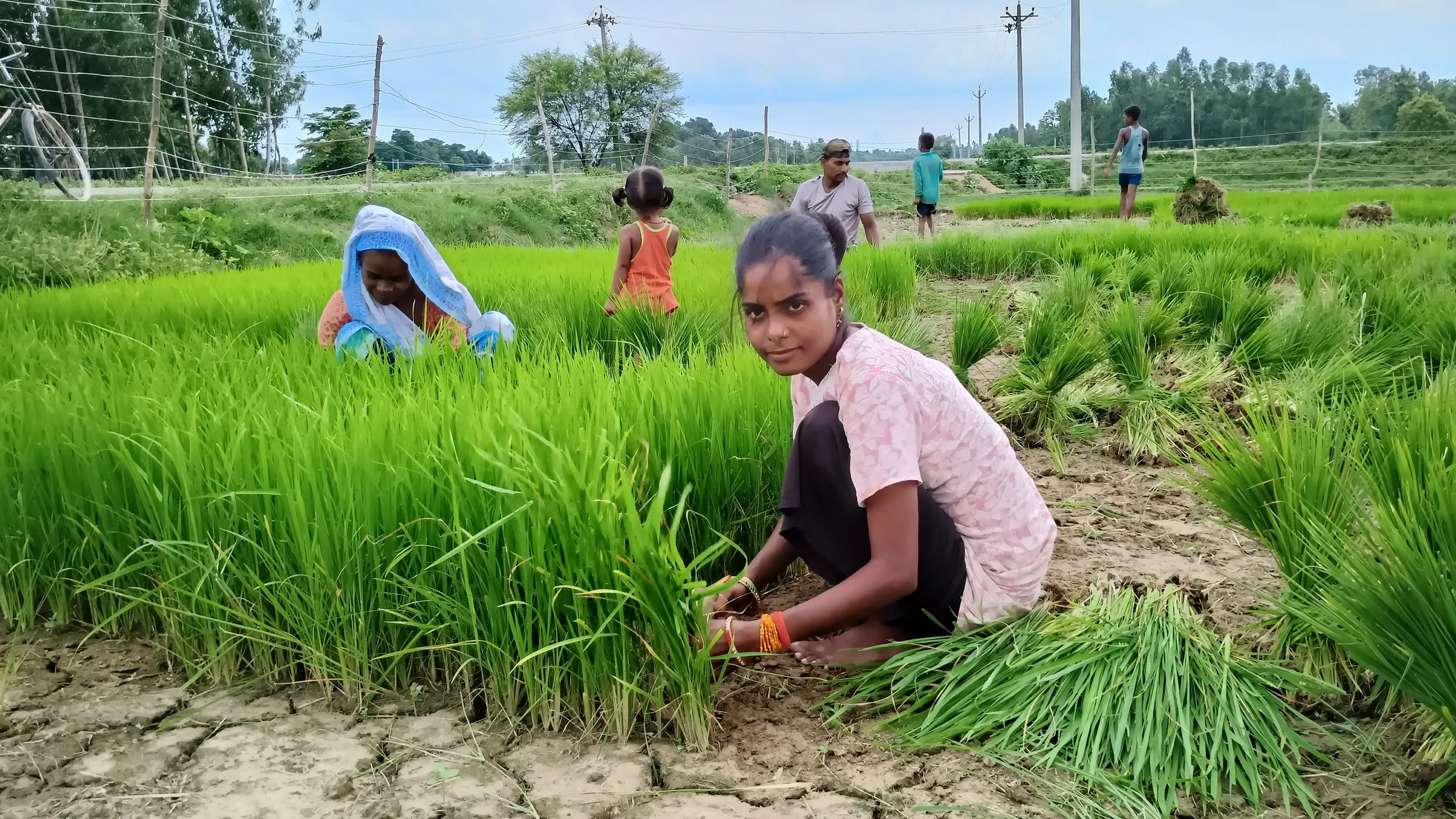
In many parts of rural India, women carry the daily responsibility of farming while remaining largely absent from formal agricultural systems. They sow, weed, harvest, and manage farms during periods of male migration, yet decisions around irrigation, technology adoption, and capital investment are typically made by others. This disconnect has direct consequences on farm productivity, household resilience, and the effectiveness of climate-focused agricultural investments.
In areas where the investee company operates, land is typically registered to male relatives, meaning eligibility tied to ownership automatically excludes many women farmers. Diesel irrigation is labour-intensive and cost-heavy, so these decisions default to men, limiting women's ability to manage crops independently.
Beyond legal and logistical barriers, women engaged in agriculture are rarely recognised as farmers in their own right, seen instead as helpers or supplementary labour. This shapes who feels entitled to access services independently.
For a service provider, this means underutilisation. Enabling women as independent decision-makers deepens adoption and strengthens demand.
Approach
Oorja is a Farming-as-a-Service company operating in Uttar Pradesh, India. Rather than selling equipment, Oorja installs and owns shared solar irrigation systems at the community level, providing water on demand at a transparent per-volume tariff. Farmers pay only for what they use; Oorja handles maintenance and support. This is paired with climate-smart agronomy advisory to help farmers plan crops, improve yields, and grow incomes.
The model is designed for smallholders with limited capital and irregular incomes — removing the upfront cost barrier that keeps many dependent on diesel pumps, which are expensive, unreliable, and polluting. For women farmers especially, diesel dependency creates additional burdens: physical labour, fuel handling, and reliance on male operators. Oorja's service model was built to address these structural constraints directly.
Acumen’s investment in Oorja Development Solutions reflects an understanding that addressing these gaps is essential to building durable businesses in clean energy and agriculture. Oorja operates at the intersection of climate resilience and mitigation, where access to irrigation determines not only yields, but also whether farmers can adapt to climate variability. In this context, gender was not treated as a secondary impact consideration, but as a factor that shaped how value could realistically be created and sustained.
Acumen’s investment in Oorja also aligned with its mandate to support enterprises that strengthen livelihoods while addressing climate risk. Oorja’s operations met the criteria for 2X Certification at the Best-in-Class level, reflecting the extent to which gender considerations were embedded across the business.
One crucial design decision was to remove land ownership as a requirement for accessing services. This shift acknowledged prevailing inheritance and tenure patterns and enabled women farmers to register directly. At the project level, Oorja introduced minimum participation thresholds for women, ensuring their inclusion was intentional rather than incidental. There was a focus on increasing the proportion of women amongst the operators as well.
Service design further reflected gendered patterns of use. The Pay-Per-Use model reduced the need for household-level capital decisions and allowed women to access irrigation without taking on debt. Solar-powered systems reduced physical effort and eliminated the need to manage diesel fuel, while reliable water access created space for changes in cropping patterns. The ease of use enabled women to be the primary caretakers of farms during the irrigation season.
Oorja also invested in climate-smart advisory services that recognised variation among women farmers. Some sought to increase production and experiment with higher-value crops, while others prioritised stability, predictability, and reduced labour. Understanding these differences informed how services were delivered and helped maintain relevance across customer segments.
“One crucial design decision was to remove land ownership as a requirement for accessing services. This shift acknowledged prevailing inheritance and tenure patterns and enabled women farmers to register directly. At the project level, Oorja introduced minimum participation thresholds for women, ensuring their inclusion was intentional rather than incidental.”
Impact
From Acumen’s perspective, these practices strengthened the underlying business. Lower barriers to access expanded Oorja’s effective customer base and increased utilisation of installed infrastructure. Regular engagement with women users contributed to better feedback loops, informing adjustments to service delivery and outreach.
Acumen supported Oorja in formalising its impact management systems, with particular attention to gender-disaggregated data. Tracking women’s participation, usage patterns, and decision-making roles provided insight into adoption dynamics and operational risk. Gender metrics were used internally to guide strategy, rather than solely for external reporting. According to an impact study conducted in 2025, 66% of users reported reduced effort in carrying pumps, 41% saw irrigation cost savings, and 39% cited year-round water availability. 73% of women found solar irrigation easier to manage independently in the absence of male members of the household. 81% of women said flexible irrigation timing helped balance farm and household work. These findings suggest that service design and reliability influence whether women can participate actively in farm-level decision-making.
Oorja measures outcomes related to irrigation access, farm productivity, and household livelihoods, alongside indicators of women’s participation and agency. Early findings indicate that women users increasingly manage irrigation schedules directly, report time savings, and, in some cases, adopt additional cropping cycles enabled by reliable water access. Following the removal of land ownership criteria, women now account for 20% of total registered members, reflecting a measurable shift in who is able to engage directly with the service.
What’s Next?
Progress has not been uniform. Social norms continue to influence who is recognised as a farmer, and recruiting women into technical and operational roles remains challenging in conservative contexts. Oorja has responded by adjusting training formats, increasing the presence of women farmer advisors, and engaging families alongside individual users. Over time, Oorja has seen a greater participation of women farmers. This shift has implications for sustained adoption, peer enrolment, and the durability of gender-smart outcomes within conservative rural settings.
For Acumen, this investment reinforces a broader lesson for gender-smart investing in climate and agriculture. Gender considerations, when integrated into core business decisions, can improve adoption, reduce operational friction, and strengthen resilience. In settings where climate stress and livelihood vulnerability intersect, enterprises that work effectively for women are better positioned to deliver sustained impact and financial performance.
Published: 24 Apr 2026