

Field notes
Conversations with gender lens investing practitioners about their investment journeys, challenges, and reflections.

Gender-Smart Investing Journeys: Diane Isenberg, Ceniarth
Diane Isenberg is the Founder of Ceniarth, a single family office focused on impact-first investments that benefit marginalised communities globally. Diane founded the office, which stewards ~$400M in impact-first capital across both fund investments and direct enterprise lending, in 2013. Ceniarth is based in London with professional staff in both the UK and the US.

Calls to Action for a Feminist Climate-Resilient Recovery: Highlights from WOCAN’s Podcast Series 2020
In July and August 2020, WOCAN produced a podcast series – "10 Solutions for a Feminist Climate- resilient Recovery – featuring ten international thought-leaders who shared their views on how to reimagine and reshape our future from a feminist approach. These ten podcasts present concrete and bold solutions and call for urgent actions, summarised here.
Building the Ecosystem for Gender-Smart Diverse Fund Managers
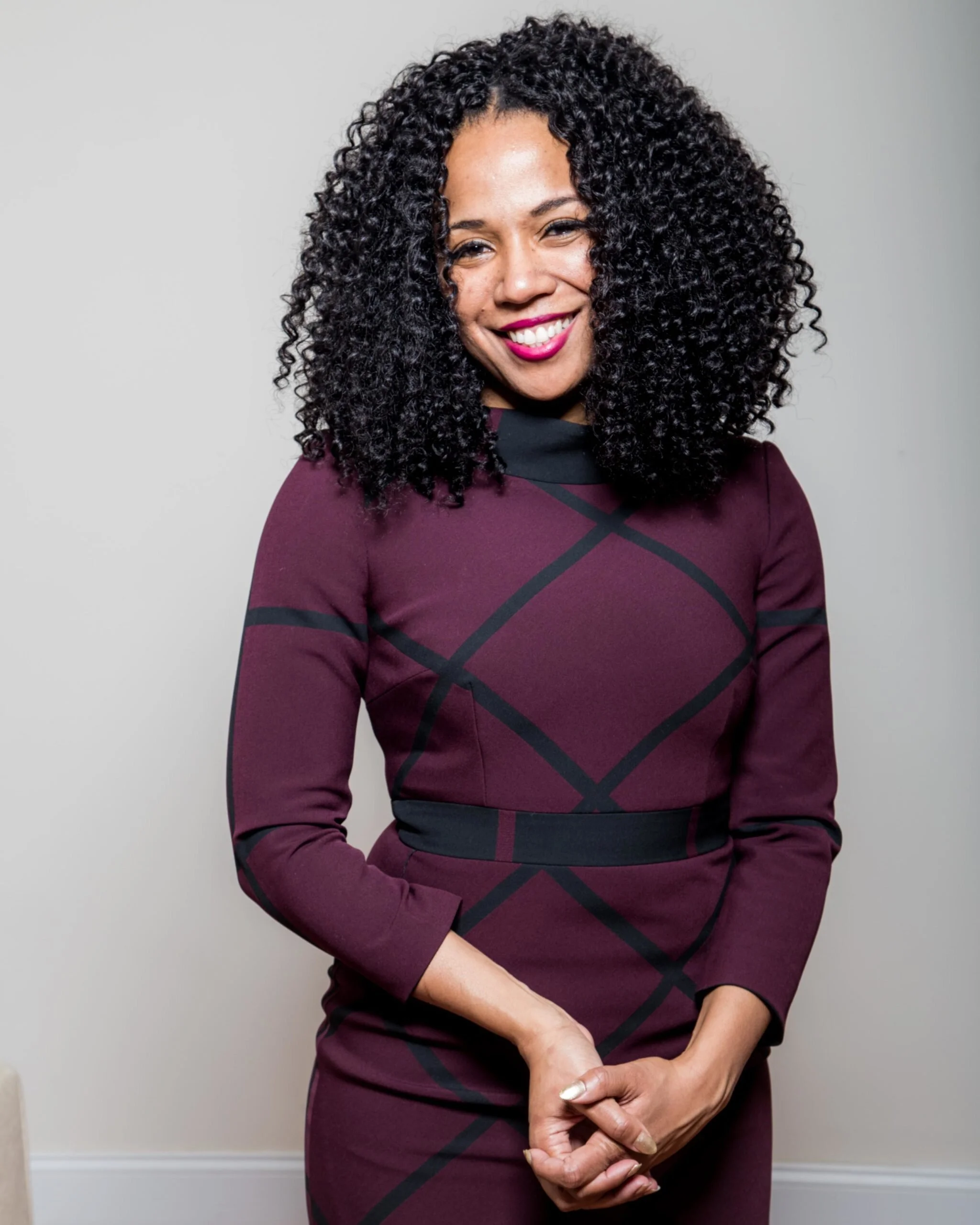
Now is the time to write cheques to diverse asset managers. As we prepare for Capital Connect, a series of curated meetings between like-minded LPs and GPs, we speak to Bahiyah Yasmeen Robinson, Founding Director of VC Include and Capital Connect partner, for her insights into inclusive investing from both sides of the marketplace.

Why Investing in Women of Colour Through CDFIs is Key to an Inclusive Recovery
Women of colour are the fastest growing entrepreneurial demographic in the U.S., and key to an inclusive recovery, but they face considerable barriers to capital - including perceptions of risk from lenders. New findings from a multi-year research programme suggest they are not riskier borrowers, writes CNote’s Danielle M. Burns; it’s time to invest in them through CDFIs and counteract biased lending practices.

Gender-Smart Investing As An Enabler of the Just Transition
This article is part of a series from contributors to GenderSmart’s Gender and Climate Investment Working Group. For most, Gender and Climate Investing is a new field, but there is already a lot of great work underway. By showcasing powerful examples from across the investment ecosystem, Working Group contributors are using their voices in the lead up to February’s GenderSmart Investing Summit and beyond to highlight the important role a combined gender and climate lens can play in delivering a just, green economy transition.

Investing in the Blue Economy with a Gender Lens
The blue economy - sustainable activity related to the world’s oceans - is on a lot of investors’ minds right now. It’s also an arena in which women are often significantly excluded and underestimated.

Investing in Indigenous Women
We speak to Agnetha “Jaime” Gloshay and Vanessa Roanhorse, Co-Founders of Native Women Lead, an organisation dedicated to supporting and growing Native American women entrepreneurs and leaders, about Indigenous economies, the challenges facing Native women, and the importance of letting Native women lead.

Unlocking Women's Wealth: An Interview With Mara Harvey
Mara Harvey is the Head of Client Services, Global Wealth Management at UBS, where she founded and led a global program to better serve female clients and build the organisation’s capacity for gender-smart investment. She spoke to GenderSmart about what it takes to bring about real transformation within a large organisation, better data, and why unlocking women’s wealth is critical to the success of any financial institution.

Gender-Smart Investing Journeys: Teresa Younger, Ms Foundation
Teresa C. Younger is the CEO and President of the Ms Foundation for Women, which is on a mission to build collective power by centering women and girls of colour. She explains how the Ms. values run through everything the Foundation does - from their investment policy statement to the make-up of the organisation, where three quarters of the leadership team and 70% of the staff are women of colour - and why institutions need to get intentional about being uncomfortable.

Gender-Smart Investing Journeys: Marisa Drew, Credit Suisse
Marisa Drew is the Chief Sustainability Officer & Global Head Sustainability Strategy, Advisory and Finance at Credit Suisse. She draws on a 30-year career in investment banking to reflect on key learnings around organisational bias, and the role of ESG in scaling institutional capital.

Gender-Smart Investing Journeys: DFC
We speak to Charity Wallace, Managing Director for the Global Women's Issues office, and Alec Paxton, Director in the Social Enterprise Finance Team and the first chair of the 2X Challenge, about the forging new public-private partnerships, institutional buy-in, and the importance of intentionality.

Gender-Smart Investing Journeys: Jen Braswell, CDC
We speak to Jen Braswell, Director of Value Creation at CDC Group, about the importance of designing a gender strategy with operationalisation in mind, getting leadership and team buy-in, and maintaining momentum at a time of immense global upheaval amidst competing business priorities.

Gender-Smart Investing Journeys: Jessica Espinoza, DEG
Jessica Espinoza is gender lead at Germany’s development finance institution, DEG, where she has been spearheading gender strategy across the organisation since 2018. Jessica co-leads the investment officer and tools working group at the Gender Finance Collaborative, and was recently announced as the new chair of the 2X Challenge. The following interview took place in July 2020.

Back to School: Changing the Conversation Around The Care Economy
Head of Content Sana Kapadia on why September’s back-to-school focus is a perfect opportunity to kickstart new conversations around investing in care.

Identifying Gender Data Gaps to Move the Field Forward
We now have a wealth of gender data at our fingertips, but with so many different needs and goals within the gender-smart investing community it can be challenging to make it fit for context. The following unmet gender data needs, identified during a recent online working session, are an opportunity to work more efficiently as a community and move further, faster, and smarter together.

Harnessing Racial and Gender Justice to Amplify Action on Climate Change
Increasingly, we see how racial injustice intersects with gender and class injustice to create communities of people who are members of multiple disadvantaged communities. Any programme that targets injustice in one community – women, for example – is significantly more effective if it takes an intersectional approach. What implications does this have for gender and climate impact investment?

Launching Rapid Response Gender Lens Financing: the Story of RISE
Investing in Women’s RISE fund - providing COVID relief and recovery to women-owned and led businesses in Southeast Asia - got off the ground in two months. We speak to James Soukamneuth and Prachi Maheshwari about how they did it and what else needs to be done to catalyse more capital towards gender lens investing in the region.

Being Mindful About Language for More Equitable Outcomes
The language used by the impact investing community goes a long way to shaping what gets seen, valued, measured and funded. Is it time to evolve how we speak about gender and diversity?

Why Are Women in Europe Missing Out on VC?
New research from EIB identifies the barriers to risk capital for women entrepreneurs in Europe, on both the demand and supply side, with multi-level recommendations to get them ready for institutional funding. We interview Shiva Dustdar, Head of Division at EIB’s Innovation Finance Advisory, about the report’s key findings and implications.

Gender-Smart Investing Journeys: Tracy Gray, the 22 Fund
I started my professional life as an engineer on the Space Shuttle Program, and I noticed that I was always the only black person (and often woman) involved in pretty much everything I did. And when I got into venture capital, in 1999, I noticed that the vast majority of people coming in for interviews, getting capital, sending in their business plans were white men. So since then I've wanted to find the nexus between private capital and economic development to ensure that the wealth being created goes to a broader segment of the population.