
Opening the Door to Women’s Home Ownership in India
About
Housing is a critical issue for the 210 million Indians whom the United Nations estimates live in slums. Access to quality housing is a critical step in improving sanitation, delivering access to clean water, improving privacy and dignity, and facilitating the creation of family wealth—on average, housing represents 50 percent of household wealth in most developing countries. For women, this is especially significant as access to quality housing can increase their safety and security.
However, low-income consumers, particularly those in the informal sector, face significant barriers to accessing affordable housing loans. Of the world’s two billion informal workers, the International Labour Organisation estimates one fifth live and work in India, where 81.6% of non-agricultural employment is in the informal sector. These workers are often paid in cash, or are self-employed, and cannot provide the payslips or tax returns to verify their incomes and secure finance from formal finance institutions.
In addition to a lack of formal or stable income, women face additional barriers due to gender norms which make it challenging to own or co-own formal title rights to family properties, despite the significant benefit to their financial inclusion and well-being.
Financial institutions have reported they are likely to apply a higher level of scrutiny to evaluating single women’s applications because cultural norms suggest women do not need to purchase a home and should do so with her husband (World Bank). This is reflected in India’s home ownership statistics, where only 9% of homes are legally owned by women and 10% are jointly owned. These barriers significantly inhibit women’s ability to own property in India.
Type of actor
Private equity firm (LeapFrog Investments) and mortgage lender (Shubham Housing Development Finance Company)
Investment type
Equity
Operates from
India
Sectors
Financial Services
Approach
Shubham Housing Development Finance Company (Shubham) is a specialist affordable mortgage lender in India which is committed to making it easier for low-income consumers to purchase their first home. Shubham operates 200 branches in 13 states across India and focuses on lending to traditionally underserved consumers working in the informal sector. Leveraging a “phygital” model that ensures financial inclusion in Tier 2 and 3 cities, Shubham assigns credit scores to undocumented or thinly documented workers, enabling them to access home finance for the first time. As of December 2025, Shubham had assets under management of US$825m and over 71,000 customers, 73% of whom are low-income consumers.
Shubham’s mission is to provide housing finance solutions to low-income families with informal income through innovative credit programs. The average loan Shubham provides is about $12,000, and their customers are typically self-employed or workers with unstable income. These customers are credit-worthy - however they lack income documents, tax filings, employment contracts or banking history, and their small ticket size and absence of documentation can lead to exclusion from the traditional financial system such as banks. Women are a significant part of this financially excluded segment in India.
The demand for housing credit by women in India is estimated at more than $32 billion. Recognising this, Shubham developed two strategies to encourage financial inclusion: (1) mandating that at least one woman must be included as a lead or co-applicant in all loans wherever feasible, and (2) developing financing solutions tailored specifically to the needs of women in addition to their core products.
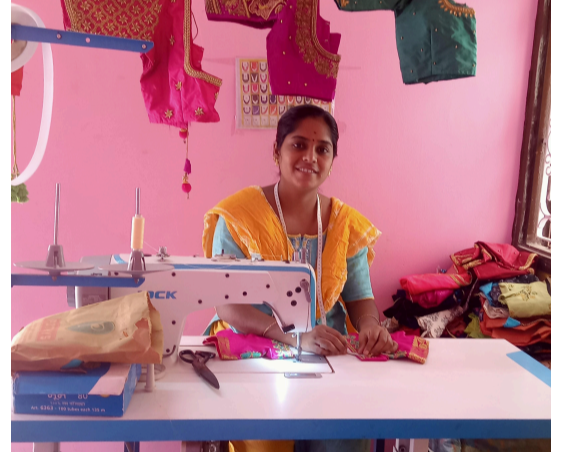
“Shubham Housing Finance made impossible possible for us. As a lady tailor with fluctuating income, securing a stable financial future seemed challenging. However my irregular income could not stop me from dreaming about owning a home. The representatives at Shubham understood my situation and helped me get a home loan. Thanks to their support, I now own a home.”
In a market where housing assets are predominantly registered in the names of male household members, Shubham took a groundbreaking step by empowering women to become primary homeowners through two innovative products, Shubh Shakti and Shubh Udyogini. Shubh Shakti is an affordable housing programme that offers tailored financial solutions for women-borrowers, while Shubh Udyogini is a Loan Against Property programme designed to support women entrepreneurs. Both programmes offer competitive interest rates, higher Loan-to-Value ratios, minimum documentation requirements and high debt servicing ratios to enable women to qualify for larger loans to meet their housing needs. By adapting the requirements to meet women’s needs and offering flexible repayment options, Shubham is enabling more women to qualify for housing loans.
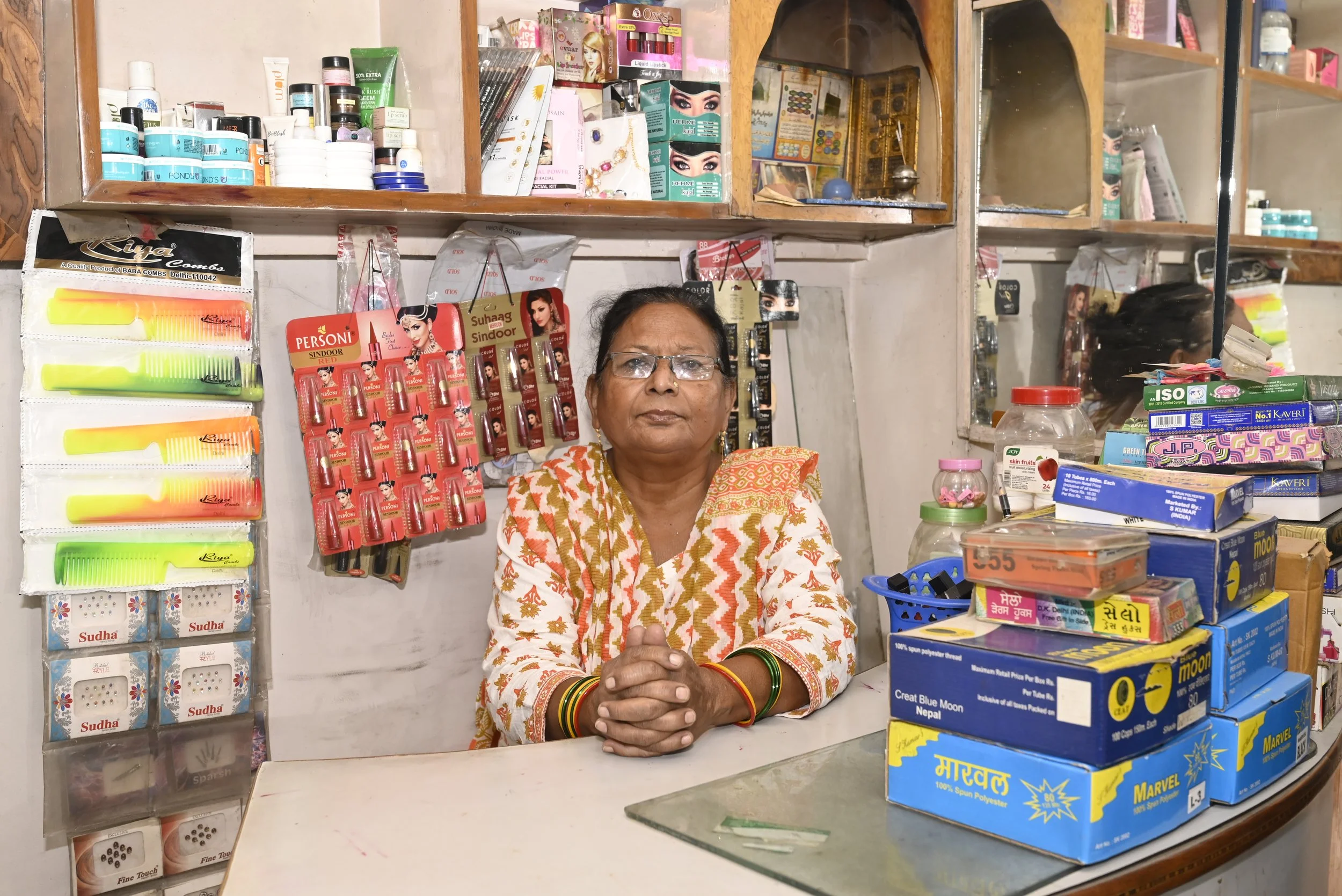
To supplement their innovative products for women, Shubham also launched Shubham ki Pathshala in August 2023, a financial literacy program empowering existing and potential women borrowers with essential financial management skills. These sessions focused on practical knowledge about understanding loan options, navigating the home-buying process, and managing finances.
Key Partners
British International Investment (BII), Asian Development Bank (ADB) and Premji Invest also participated in Shubham’s US$112m raise in 2022 alongside LeapFrog Investments. LeapFrog, BII, and ADB jointly established an ESG committee with Shubham post-investment, where ESG and social impact matters, including progress towards gender action, were monitored and managed. In 2024, Shubham successfully raised a Series F Round led by Multiples PE, alongside ADB and BII, building on the positive momentum on ESG and social impact from the previous round.
Impact
In 2025 Shubham disbursed a total of $384m in housing loans and loans against property, and women co-borrowers or lead borrowers now make up 93% of all borrowers.
Moreover, since launching the two women-focused products in 2017, Shubham has disbursed INR 4.7 billion (US$54m) in housing loans to over 3,700 women through Shubh Shakti and Shubh Udyogini schemes. Of these, more than 96% of women borrowers are first time homeowners, emphasising the impact of the products on providing first time access to housing loans for women consumers.
Shubham has had a significant impact on women’s empowerment and wellbeing. In a 2025 survey of Shubham customers, 64% of women respondents felt that Shubham’s loan process made it easier for women to own property and 91% reported that owning property enhanced their sense of security and empowerment. This also affected their perceived wellbeing, with 64% of women reporting an improved sense of pride, privacy and improved stress levels.
With access to affordable housing loans, women are able to improve living conditions for themselves and their families. In the Shubham survey, 66% of women surveyed reported improved access to basic amenities, such as water and electricity, and 61% have better access to healthcare and education. Among all respondents, men and women, 65% noted that improvements in their housing circumstances had led to improved access to safer and more private sanitation facilities for women and girls in their household.
Commercially, Shubh Shakti and Shubh Udyogini have been a success . Ongoing analysis has demonstrated that the loan products have not only expanded financial inclusion and improved wellbeing, but women borrowers have also shown to be higher quality borrowers with lower delinquency rates. Shubham’s ambitions are to continue to grow the portfolio and expand products and services tailored to women borrowers.
In 2025, Shubham received a National Housing Bank Excellence Award for Product Innovation in recognition of its innovative and inclusive home loan products. Shubham and LeapFrog Investments also jointly received GPCA’s 2025 Social Impact Award.
What’s Next?
Shubham is continuing to pursue gender inclusive ambitions, seeking opportunities to deliver more products and services to women. In the coming months, Shubham will be opening its first all-women branch in Delhi NCR and is exploring branch-level expansions of both Shubh Shakti and Shubh Udyogini to new geographies.
Published: 18 Mar 2026